
On 25 September 2025, the UK regulator Ofcom issued a Confirmation Decision to Vonage, imposing a £700,000 fine for failing to ensure uninterrupted access to emergency services. The breach occurred between October and November 2023, when thousands of business customers were unable to reach emergency numbers.
This was not the first time Vonage faced scrutiny. The company had already been fined in 2018 for a similar failure. Ofcom’s decision reinforces a principle echoed worldwide: access to emergency services is non-negotiable.
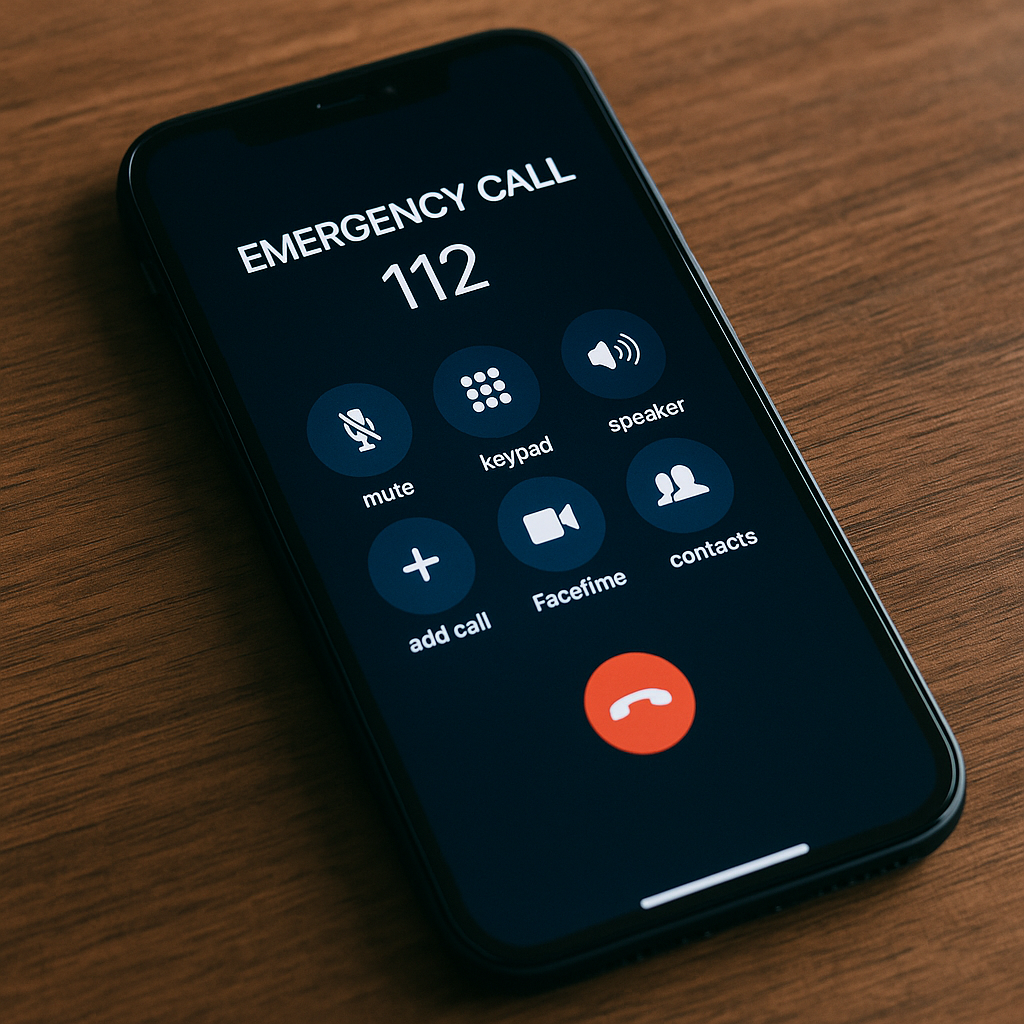
Why Vonage Was Fined ?
Ofcom’s investigation concluded that Vonage lacked adequate change management, testing, and oversight processes within its VoIP network. These weaknesses left business customers unable to dial emergency numbers for nearly two weeks.
Analysis: The Vonage case highlights the risks of reactive compliance. Ofcom provides early signals through consultations and draft regulations, yet Vonage acted only after a failure occurred. That approach left customers vulnerable, regulators dissatisfied, and the company exposed to sanctions.
Belgium: Proximus and Nationwide Failures
In April 2019, Belgium’s incumbent operator Proximus suffered a nationwide outage that disrupted access to emergency services 100, 101, and 112. The regulator BIPT investigated the incident, published a report, and in 2023 launched a public consultation on introducing a redundancy system for emergency calls. This shows regulators are moving from sanctioning after failures to designing structural safeguards to ensure resilience nationwide.
Australia: Optus, Fines and Renewed Concern
In Australia, the Australian Communications and Media Authority (ACMA) investigated Optus after its nationwide outage in November 2023 disrupted access to Triple Zero (000). The outage was directly linked to the deaths of several people who were unable to reach emergency services.
Following its inquiry, ACMA fined Optus A$12 million for breaching emergency call rules — one of the largest telecom penalties in Australia.
More recently, in September 2025, ACMA announced it was deeply concerned after reports of another disruption to Triple Zero. The regulator launched a new official inquiry, warning: “Australians must be able to contact emergency services whenever they need help.”
Lessons for Operators
Across the UK, Belgium, and Australia, the message is consistent:
- Anticipate early — consultations and draft rules are advance warnings.
- Engineer redundancy — resilience must be built into networks, not bolted on later.
- Test and monitor rigorously — ongoing testing and change management prevent catastrophic failures.
- Communicate transparently — during outages, timely updates sustain public trust.
Turning Compliance into Leadership
Emergency call obligations are not regulatory checkboxes — they are lifelines. The Vonage fine, the Proximus outage, and the Optus penalty demonstrate that regulators across continents are tightening standards and demanding accountability.
Operators who anticipate regulation, invest in resilience, and engage proactively will position themselves as leaders in trust and reliability. Those who wait until enforcement arrives risk financial, reputational, and — in the worst cases — human costs.
At @AskGreg, I help operators across Europe navigate regulation, secure interconnections, and build agile go-to-market strategies that protect both business momentum and public safety.
Comments are closed